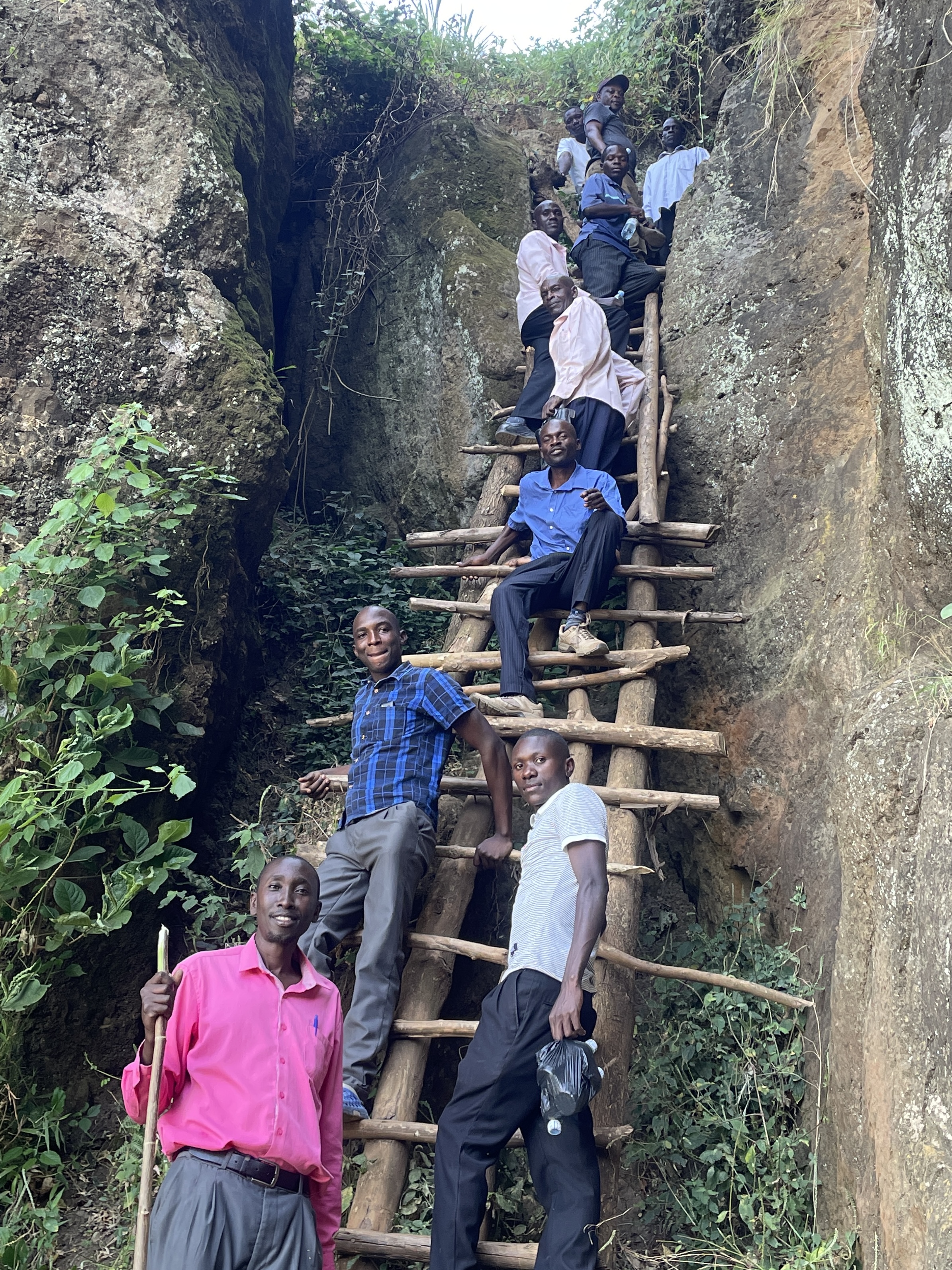
Jesus was a disciplemaker! Sure, He was a teacher, healer, miracle worker, resurrecter, rebel-rouser, and troublemaker, too. But first and foremost, when you comb through the pages which describe Jesus’ life, He was a disciplemaker. He was a RELATIONAL disciplemaker.
Jesus spent the majority of His time in ministry, for three years, creating, strengthening, and intentionally utilizing relationships in order to make disciples who will, eventually, make disciples. He would preach and teach in synagogues and hillsides, but in-between formal teaching times he would go to weddings, have meals, travel by foot, take boat rides, and many other things of everyday life. It is in these times that we see Jesus make use of His greatest tool to make disciplemakers – intentional relationships. He took full advantage of these times to share truths about God’s Kingdom, God’s nature, the Holy Spirit, His coming crucifixion and resurrection, Kingdom priorities, and so much more.
As people and leaders who follow Jesus, we look at His way of doing ministry. I heard once, “If you want to see the teachings of Jesus with the results of Jesus, then you better use the methods of Jesus.” So as disciplemakers in our homes, communities, and Uganda, we strive to focus our energy on intentional disciplemaking relationships.
What’s the difference between teaching a class and relational disciplemaking?

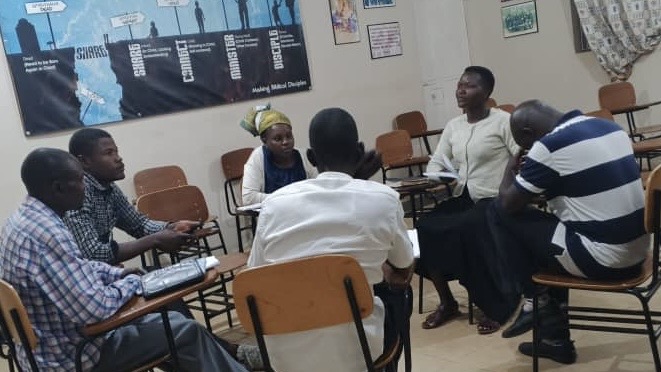
In a traditional class there is a teacher and there are students. Students give their attention to the wisdom that the teacher is going to pass on to them. In relational disciplemaking, we focus on smaller groups of people moving together in a spiritual journey. We look to the Holy Spirit as our teacher and the disciplemakers as a guide for discussions and Biblical explorations. Many times, the group members help to share wisdom with one another. As a disciplemaker, I am regularly learning from the group members how to better follow Jesus in my life. In a classroom, there are usually many students and one teacher; but in relational disciplemaking, it could be one-on-one or in small groups with a few disciplemakers. Spending “more time with fewer people” really allows you to go deeper, the same way that Jesus did.
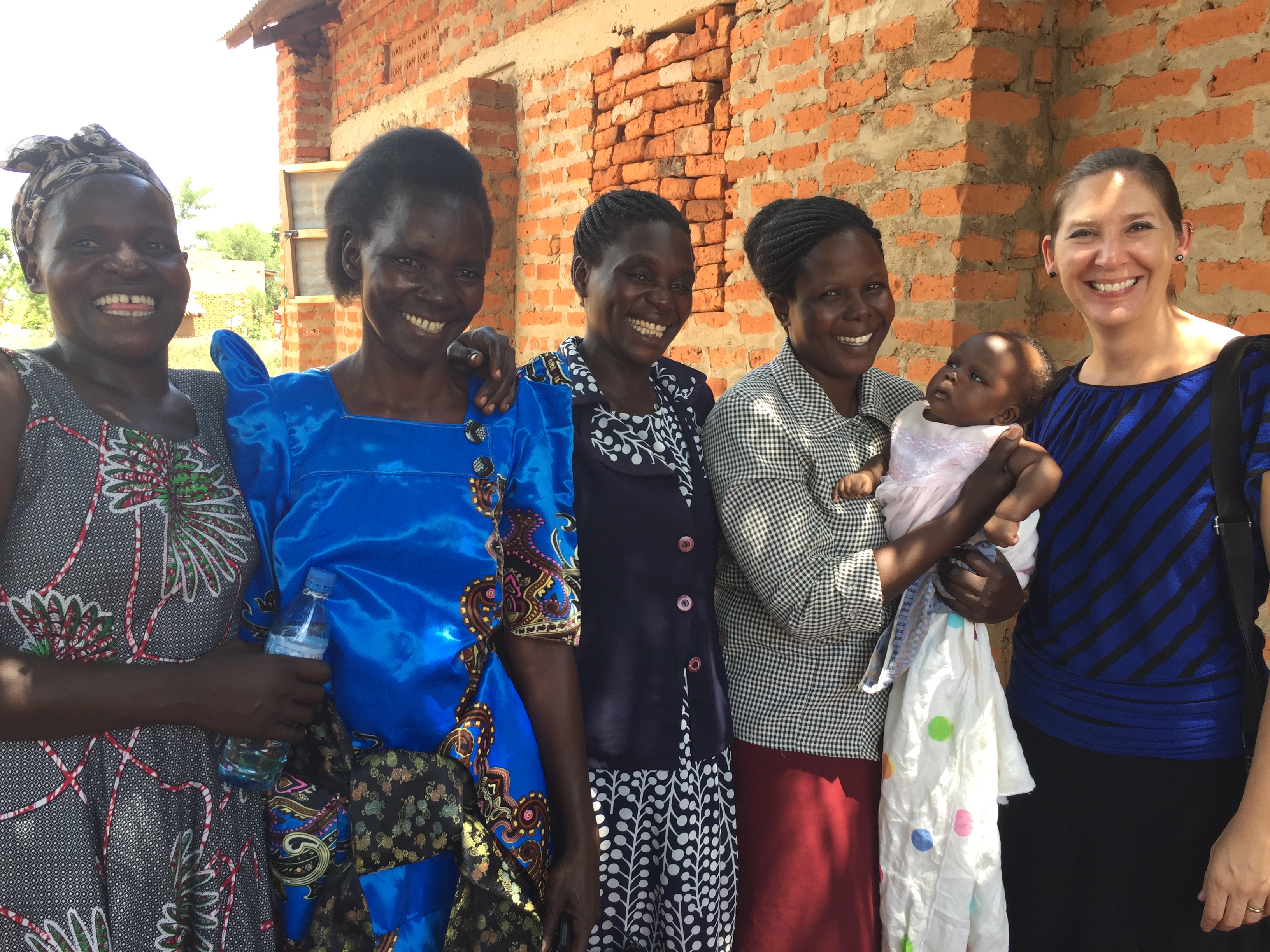
Also, in a class setting, there is a curriculum and you are typically focused on head knowledge. “What do I want you to know or learn?” is the driving question in a traditional classroom setting. But in relational disciplemaking, the “curriculum” that’s needed is different with every person based on who they are and what’s going on in their walk with the Lord. We ask questions like, “How should I live?” ” How does this change me?” and “Who do I need to become or be?” Head knowledge is educational, but relational disciplemaking goes deeper by focusing on head, heart, and hands. Head knowledge is vital, but transforming thinking patterns (Romans 12) goes beyond just what facts or information someone has learned; it touches HOW they make decisions. Wisdom is knowing how to apply and live by God’s Word, not simply memorizing it. Heart transformation looks at the fruit of the Spirit in someone’s life – their compassion, patience, kindness, and more. These are things that don’t just need to be learned, but they need to be practiced in someone’s life. They take time, conversations, and relationships to focus on them. Hands is how the head and heart impact how someone lives each day. It’s not enough to know about Jesus or to be compassionate in your prayers, but we are called to LIVE with compassion and kindness; live like Jesus.
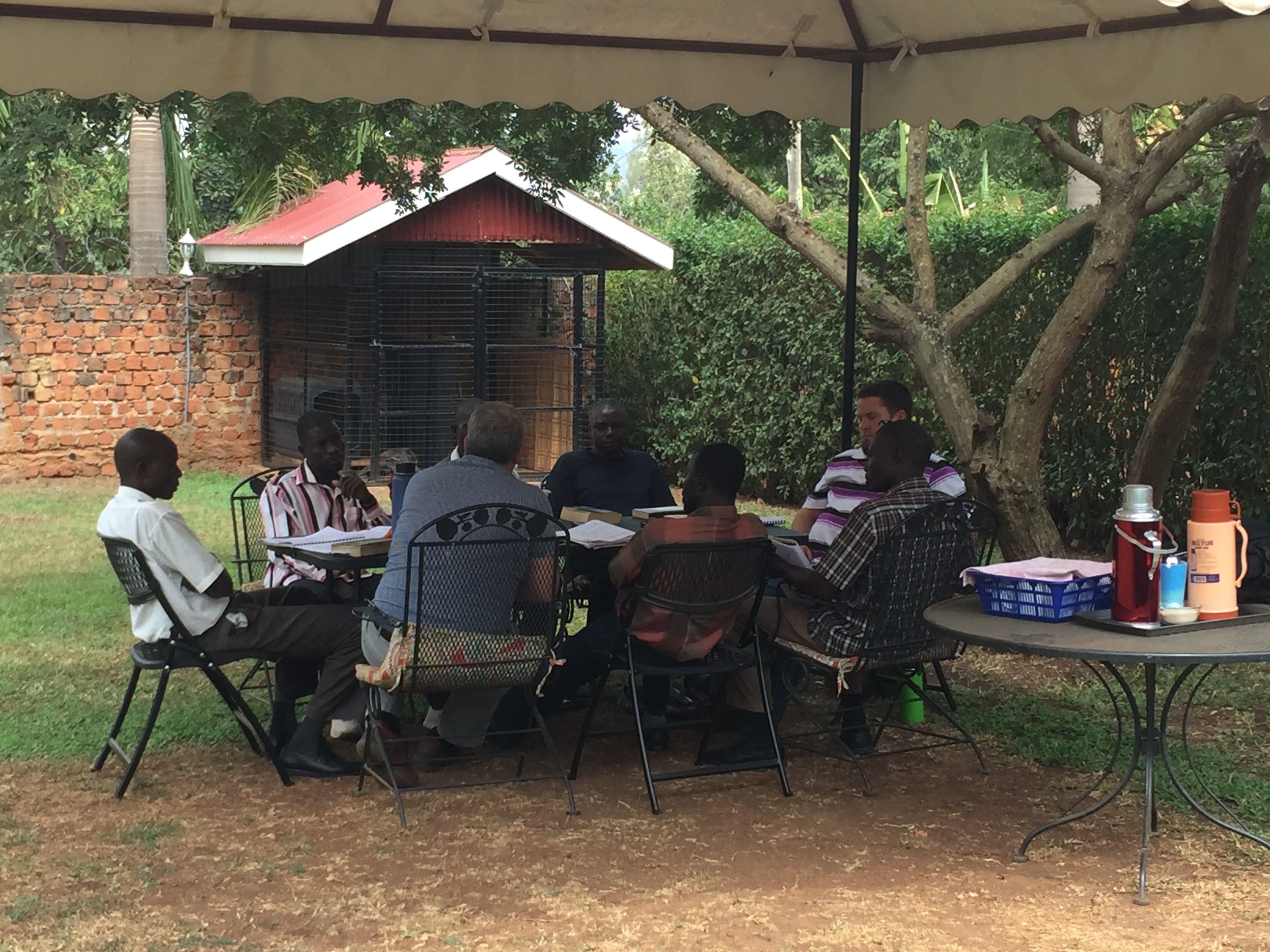
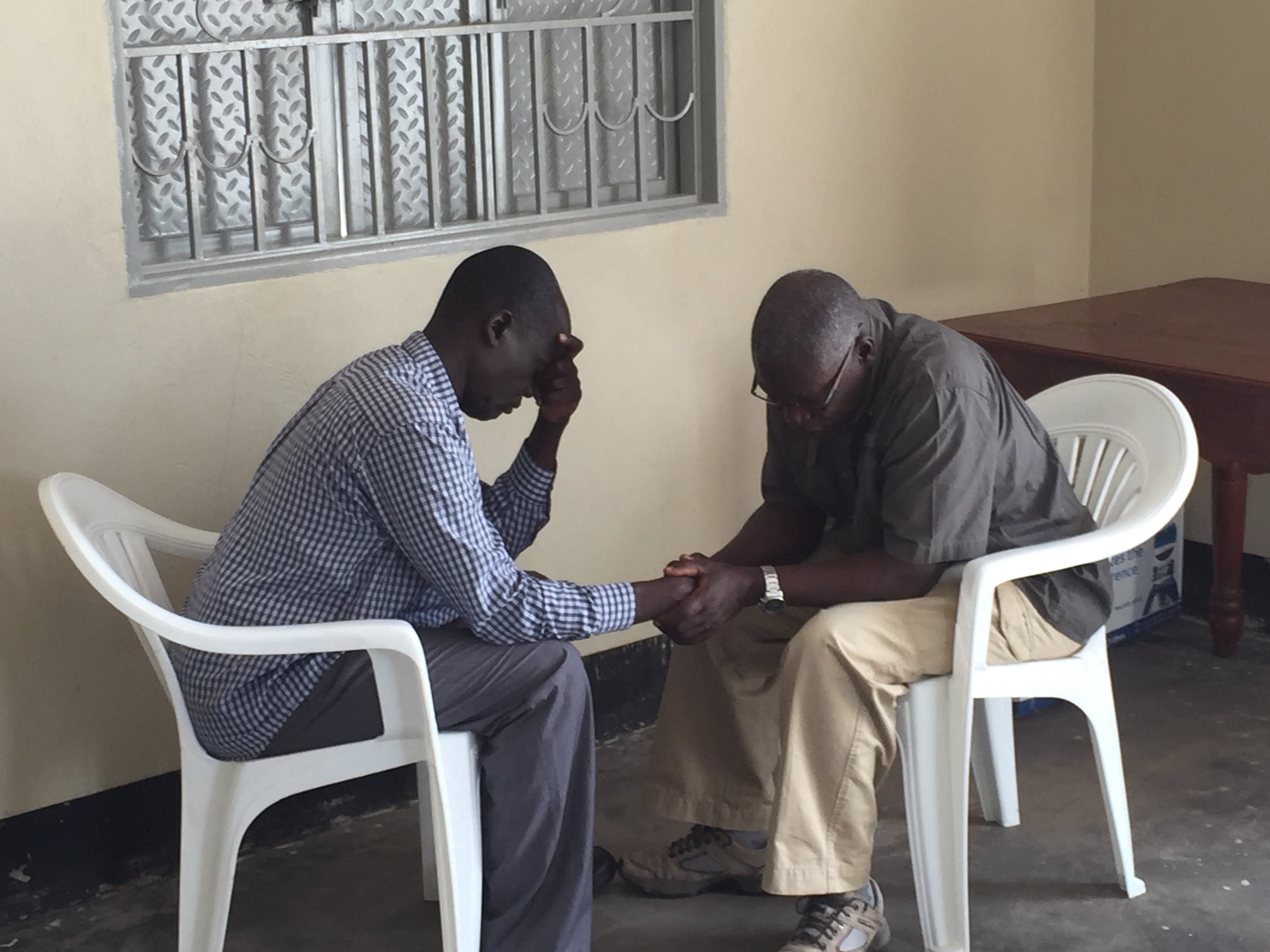
Relational disciplemaking takes a wholistic view of someone trying to follow Jesus. We take it out of the classroom, or one specific environment, and expand it to everyday life situations: We have tea together; We visit one another at home and see family dynamics; We discuss marital problems, parenting issues, financial challenges, and cultural clashes alongside Scriptural truths and foundations.
- “What does it mean that God comes first in your life?”
- “How do you make your marriage a priority above your clan?”
- “How do you develop savings habits that are practical for YOU?”

Yes, you can teach a class on some of these topics, but without relational disciplemaking you probably won’t get to the core of the challenge in each person’s life. They may know what they should do, but being able to do it in everyday situations is another aspect. You need to truly build open and meaningful relationships for them to become real with you, and so that people can be transformed. It’s what we see in Jesus as He restores Peter in John 21; it’s what we see in Jesus as He is at the Last Supper with His disciples in Matthew 26. It’s what we see in Jesus’ life and ministry time and time again. Even His first miracle was not in a synagogue or classroom setting, but at wedding with His friends (does it get any more relational than that?).
Our hope and goal of modeling Jesus’ ministry style of relational disciplemaking is that the Truth of God’s Word and the Presence of God’s Spirit becomes REAL in each disciplemaker.



For more blog posts on Relational Disciplemaking, check out:
 Sawyers In Uganda