Home is a Funny Word

As missionaries, we live a strange, sometimes absurd, lifestyle. We have unique, God-ordained experiences on a regular basis AND we have ridiculously complicated “should-be-simple” interactions daily. All of it is mixed together in a beautiful mess! But one of the most extraordinary constants is being fully planted in a culture that (even after 10+ years) is foreign to us while still maintaining roots to our home culture. This reality is felt more acutely by our family when we return to America for HOME ASSIGNMENT (aka, “furlough”).
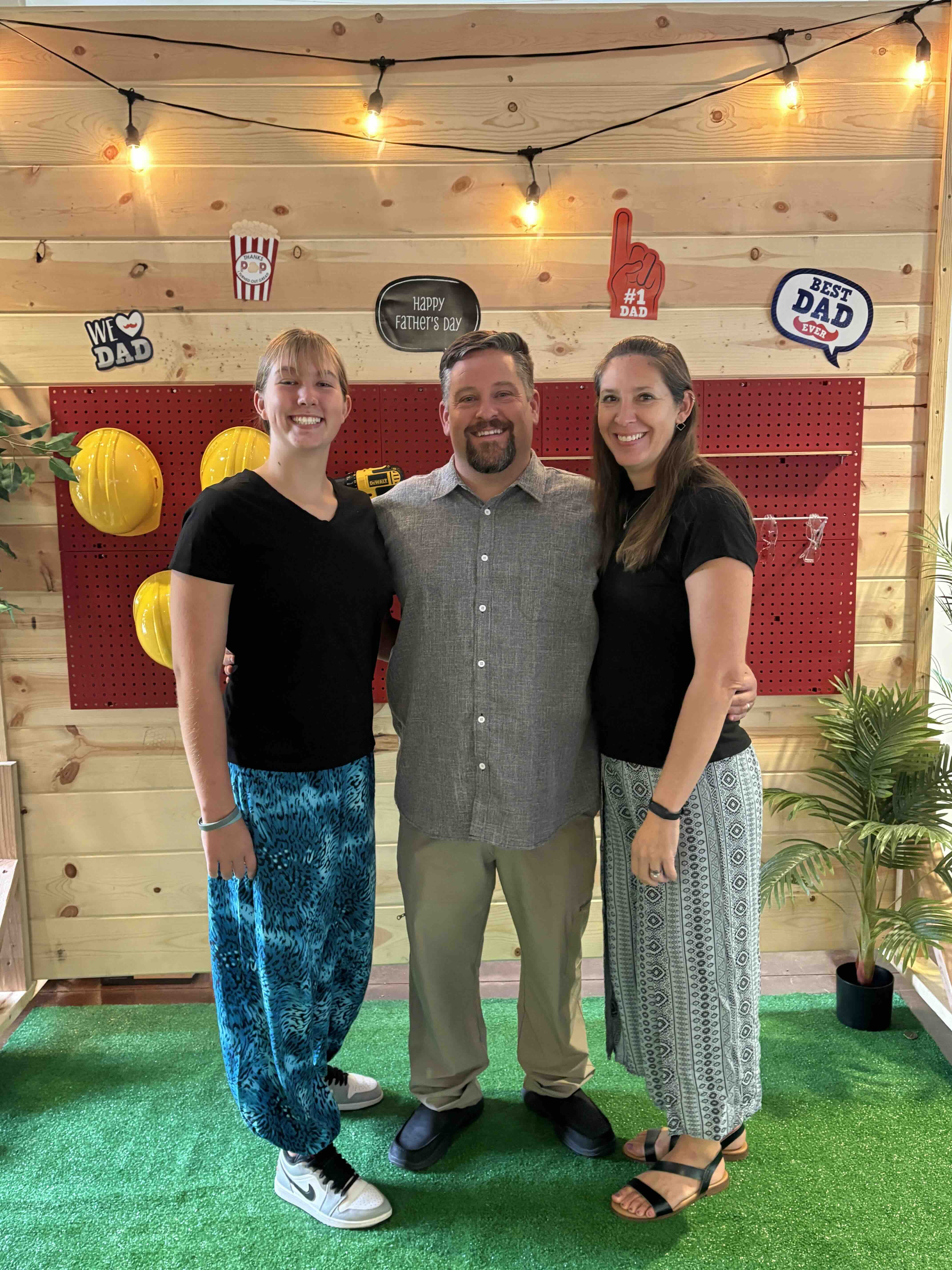
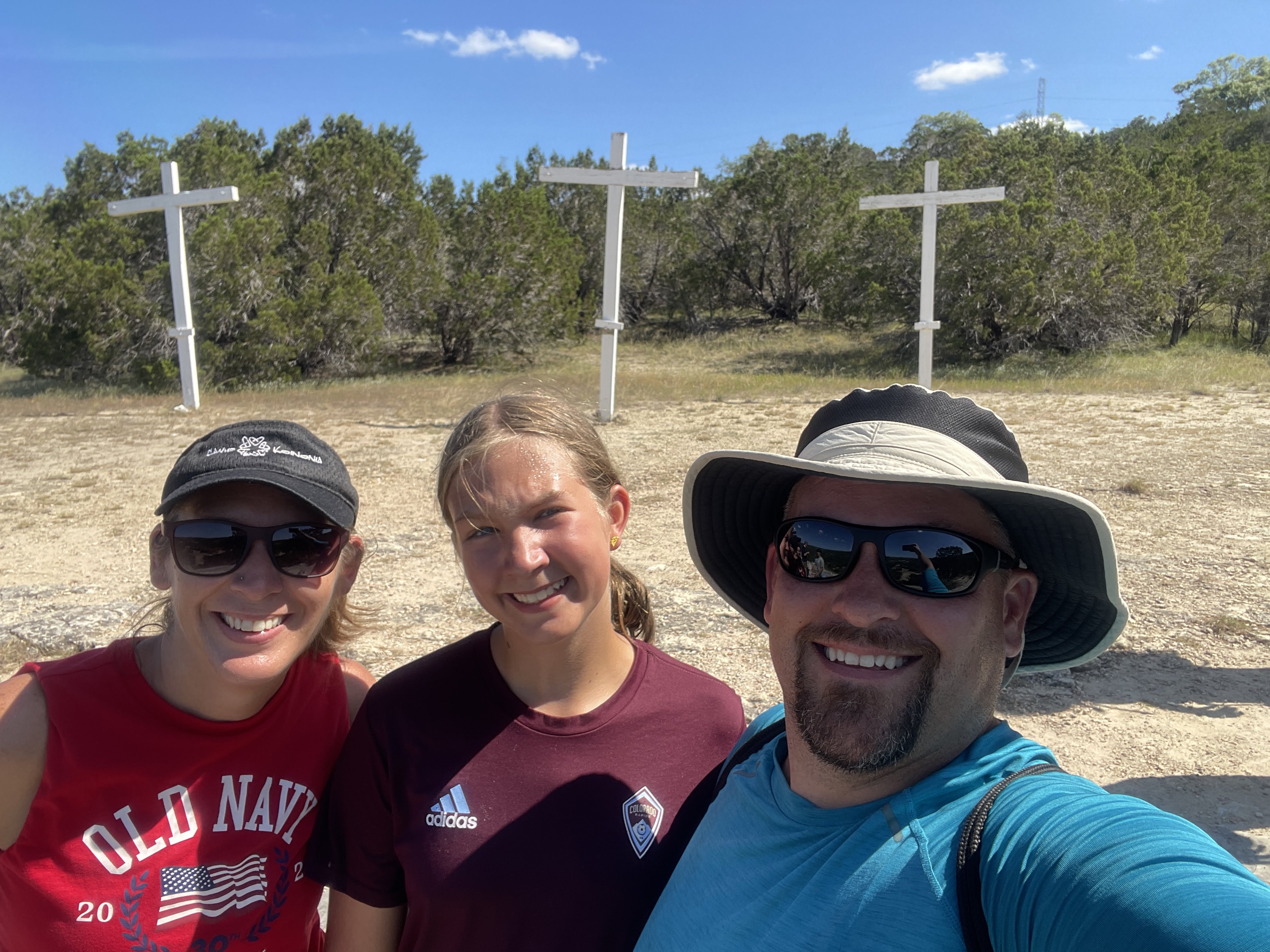
We recently spent over two months visiting America, and it drew attention to this tension that we feel. After being in Uganda for the past two full years without traveling back to the U.S., we were lovingly welcomed by so many people: family, friends, churches, mission committees, and even the weather! We could not have asked for more generosity, warmth, hospitality, flexibility, and abundant love as we moved from city to city, state to state (we drove 7,400 miles, plus additional flights). Every meeting, gathering, meal, or rendezvous we had was a genuine blessing. But one strange thing happened each and every time: “Welcome Home!”

Our well-meaning and loving family and friends were eager to make us feel welcome to the place they reasonably assumed was our home. But something strange twinged in us every time we heard these words…something simultaneously familiar AND foreign. Are we home?

America is our home; more accurately, Texas is our home. But at the same time, it isn’t. Uganda is our home! And it feels strange to call America “home” when both our family and America have undergone so many changes in the decade since we last lived there. It feels like a betrayal of our home in Uganda, almost dishonest. After all, I’ve lived longer in our house in Uganda than I have lived in any other house my entire life; our family has lived longer in Uganda than we have lived in any other place. This is even more magnified for our daughter who has called Uganda home since she was three years old, and has no memory of life prior to moving to Africa. Uganda is our home. Uganda is her home.

The over-simplified way to see it is that we don’t own a house, car, or any property in America (aside from a few boxes stored at our parents’ houses). At least in Uganda we own our own vehicles and we have lived in the same rental house for the 10 years we’ve live here. We own our beds, our couch, our kitchen utensils and plates, and our dogs all in Uganda. But it seems too easy to base it around our possessions.

I think it has more to do with our LIFE. When we visit America, we are visiting other people’s lives. We are visiting their church, their homes, their restaurants, their work places, their cities, their friendships and small groups. We constantly feel like visitors when we’re in America, even when we are amongst family and friends. Even when we are staying at “our home base,” we are still living out of suitcases, and it’s still someone else’s home, not ours. We are in their patterns of lifestyle, not ours.

Don’t take this the wrong way – we LOVED every minute of the time we got to spend with OUR people while in America! We were relationally, emotionally, and lovingly refreshed to the n-th degree! People did EVERYTHING to make us feel home, welcome, supported, and loved.

But we didn’t feel HOME until we set foot BACK in Uganda.

When we returned to our house here in Uganda, we all three looked at one another and said, without hesitation, “WELCOME HOME!” That’s a strange reality that defines our current life…we have two homes, and neither of them feels completely comfortable. I could try to spin that. I can “Jesus-Juke” my way to better understand that “this world is not our home, we’re just passing through.” And yes, it’s true. And yes, we learn and understand things about that spiritual truth in ways we didn’t understand before moving to Africa.

But what I want people to understand is the complication that four-letter word brings to us. “H-O-M-E” is a tension that is constant in our family; in our lives; in the lives of every missionary family I know. I think when we understand the tension other people feel, we know how to pray for and encourage them. (Side note: if you want to see our daughter light-up when we visit America, ask her about her HOME in Uganda.) Our family and friends know this tension and encourage us with their love every time we visit. There isn’t a wrong-way to welcome us. But understanding the mess that “home” is to us is the difference in feeling seen and feeling misunderstood. Because so many of our people in the States have taken the time to understand us in this way, we feel truly loved, understood, and known.

We feel this every day! And I pray that other missionaries can feel seen, understood, and known in the same way by their families, friends, and churches.

Growing in Love – For God and For Others

In 1 Corinthians 13:1-3, the Apostle Paul says, “If I speak in the tongues of men or of angels, but do not have love, I am only a resounding gong or a clanging cymbal. If I have the gift of prophecy and can fathom all mysteries and all knowledge, and if I have a faith that can move mountains, but do not have love, I am nothing. If I give all I possess to the poor and give over my body to hardship that I may boast, but do not have love, I gain nothing.”

  • Nothing we do, however many church buildings we construct, goat projects we begin, preachers we train, or Bibles we give – NONE of it matters if we do not LOVE!
  • No miracles! No healings! No prophecies! No great sermons! 
  • Nothing matters, if we do not love!

Last month, at the Leaders’ Conference, we focused on GROWING IN LOVE FOR GOD AND FOR OTHERS as a central element to growing up in spiritual maturity and leading others to grow up in maturity. In order for God’s Kingdom to grow deeper and wider, our LOVE FOR GOD and LOVE FOR OTHERS has to grow deeper and wider!
We can’t grow in spiritual maturity without growing in LOVE.
We can’t help others grow in spiritual maturity without growing in LOVE.

Continue reading

Good Questions to Ask Missionaries & TCKs

A regular part of our life as missionaries is returning to our passport country for home assignment (previously known as “furlough”). This will be our first time back to America since the summer of 2024 (two full years) and our sixth such trip since we moved to Uganda in January 2016. Like many other missionaries, our home assignment is filled with activity – visiting churches and supporters to report on our work, additional fundraising, spending time with family and friends, and attempting to recharge our hearts and minds. These trips help us stay in touch with the people who enable us to do our mission and provide a brief respite from the stresses and strains of everyday life in a (beloved) foreign culture.

But these trips also come with their own stressors: It means living out of a suitcase for a couple of months and staying in the homes of other people; It means being on our best behavior as the spotlight is shown on us whenever we arrive at supporting churches; It means trying to compact our whole life, heart, and ministry into two, five, or ten minute sound bites to take advantage of the opportunity we have to tell others the stories that give the ministry richness and meaning. It means many miles spent together in a borrowed vehicle as our family travels from one location to another. It means trying to split our time between family members who want to see us and the work we need to do while in America. It means still maintaining a spiritual “presence” and leadership role in Uganda while also preaching, sharing, and living in churches across several states.

As another missionary states: “We’ve been told that Home Assignment is meant for rest. We’ve also been told it’s meant for fundraising. And for reconnecting with family. And for sharing stories and photos at supporting churches. And for finding new people who might be interested in our ministry. And for reflection and prayer and rejuvenating ourselves before diving in again on the mission field. And…and…and…” (Click THIS BLOG for the full story.)

For us…we are blessed! We are blessed because our hosts, supporters, and meetings are with dear friends and loved ones. God blessed us with the honor of serving with partners who know and love us, so our time is more relational than many other missionaries we know. But it’s still hard to be away from home while also visiting “home;” and with several well-meaning people assuming we are enjoying an extended vacation stateside.

Continue reading

Goals & Plans for 2026

We are praying BIG THINGS for 2026. The first BIG thing we are praying and planning for is the Leadership Team. Last year, we started meeting regularly with leaders, who have been discipled and moved closely with over the past decade, to involve them in decisions, planning, discerning, and guiding the overall ministry. These are leaders who have traveled around with us to visit churches near and far, so they have a feel for the needs of leaders from all over Uganda. They are also men and women who we’ve seen fruit of spiritual maturity in their lives – and seen them actively making disciples – so they are able to think of Godly solutions in difficult circumstances. This year, our plan is to empower them more and more as the year goes by, so that their voices grow and their impact deepens. We believe this kind of leadership team is vital to the future of the mission work here in Uganda.

Continue reading

Recap 2025 – Ups, Downs, and In-Betweens

Another year of ministry in Uganda has come and (too quickly) gone by. This has been YEAR 10 for our family serving in Uganda, and each year seems to get busier and go by faster. Here are a few highlights of the year in ministry:

Continue reading

Boys Becoming Men Through Disciplemaking

Recently I read that “The church doesn’t just exist to make disciples. We also exist to bring those disciples to maturity” (Deeper Walk by Marcus Warner). This concept has been a driving force for us as a mission for more than a decade, and has been at the heart of our family’s ministry since we began. We were never called by Jesus to merely make converts, but rather to disciple people into maturity…mature disciples was Jesus’ goal, and it continues to be our goal as His Church.

Earlier this year, me and Peter (a coworker at the Mbale Mission) decided that something MORE was needed to help the young men at the city church grow into deeper maturity in their faith. So we prayed for the young men and decided to invite them into a weekly disciplemaking group. From that first meeting, we have been open with them about the serious commitment that spiritual growth requires of each of us, and that begins with making the time and opportunity a priority: meeting at 8am on Sunday morning for late-teen and twenty-something guys is NOT easy to do in any culture. But that’s the standard we set before them!

Continue reading

Relationship, NOT a Class

Jesus was a disciplemaker! Sure, He was a teacher, healer, miracle worker, resurrecter, rebel-rouser, and troublemaker, too. But first and foremost, when you comb through the pages which describe Jesus’ life, He was a disciplemaker. He was a RELATIONAL disciplemaker.

Jesus spent the majority of His time in ministry, for three years, creating, strengthening, and intentionally utilizing relationships in order to make disciples who will, eventually, make disciples. He would preach and teach in synagogues and hillsides, but in-between formal teaching times he would go to weddings, have meals, travel by foot, take boat rides, and many other things of everyday life. It is in these times that we see Jesus make use of His greatest tool to make disciplemakers – intentional relationships. He took full advantage of these times to share truths about God’s Kingdom, God’s nature, the Holy Spirit, His coming crucifixion and resurrection, Kingdom priorities, and so much more.

As people and leaders who follow Jesus, we look at His way of doing ministry. I heard once, “If you want to see the teachings of Jesus with the results of Jesus, then you better use the methods of Jesus.” So as disciplemakers in our homes, communities, and Uganda, we strive to focus our energy on intentional disciplemaking relationships.

What’s the difference between teaching a class and relational disciplemaking?

Continue reading

It’s Time to Grow Up!

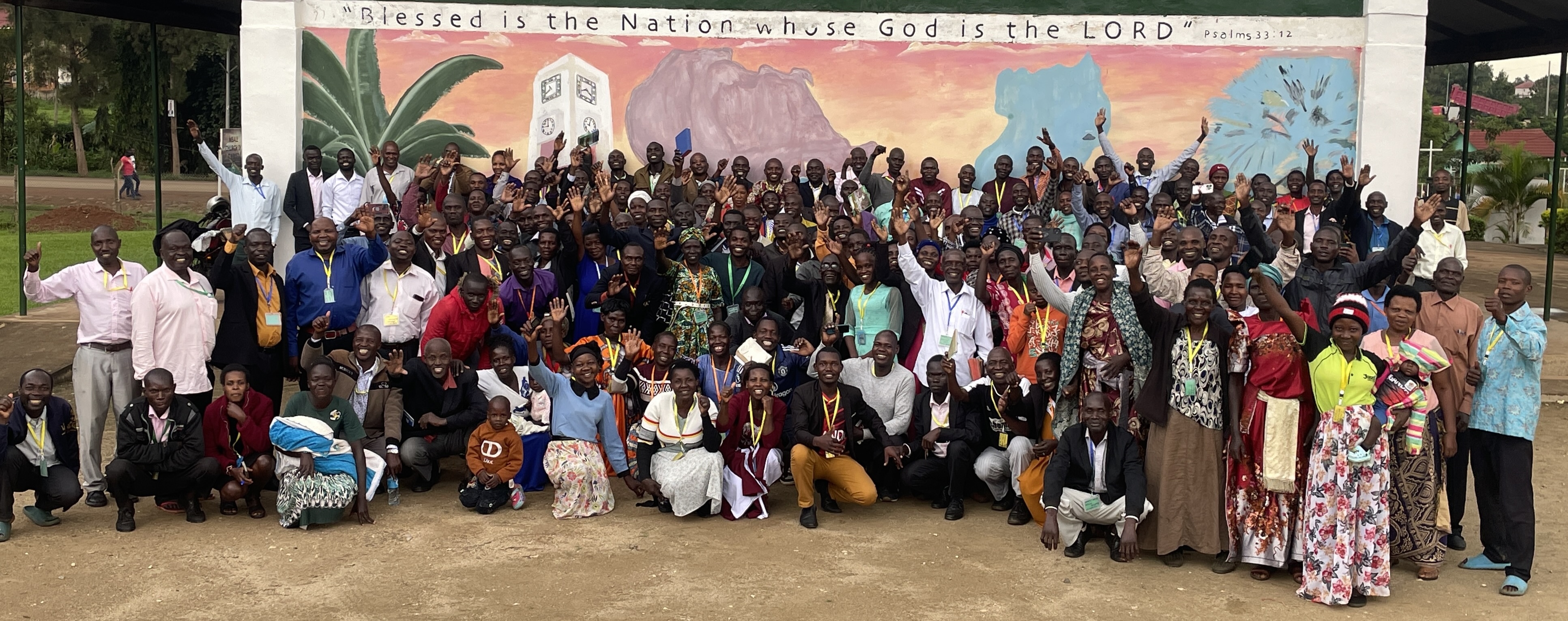
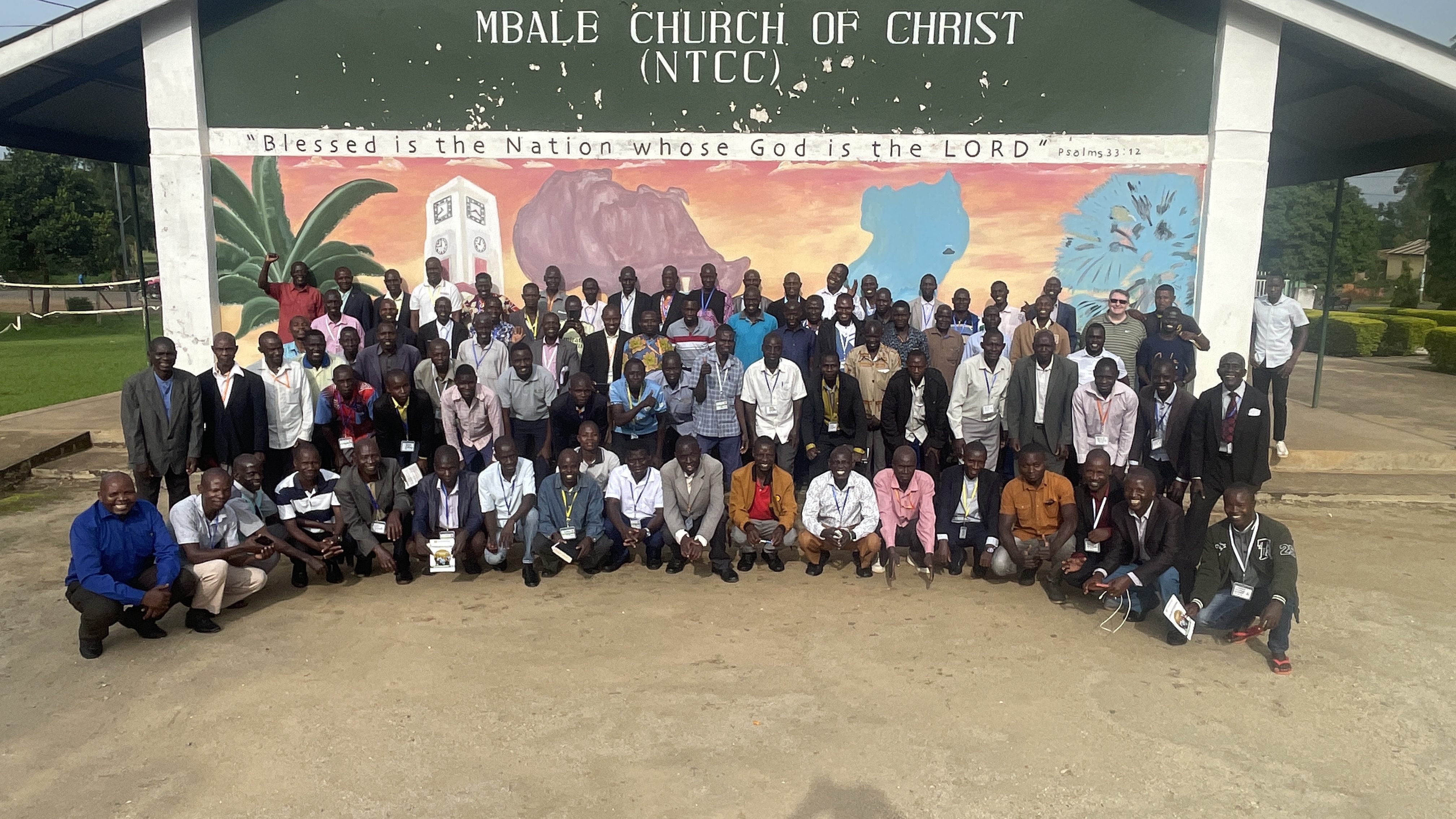
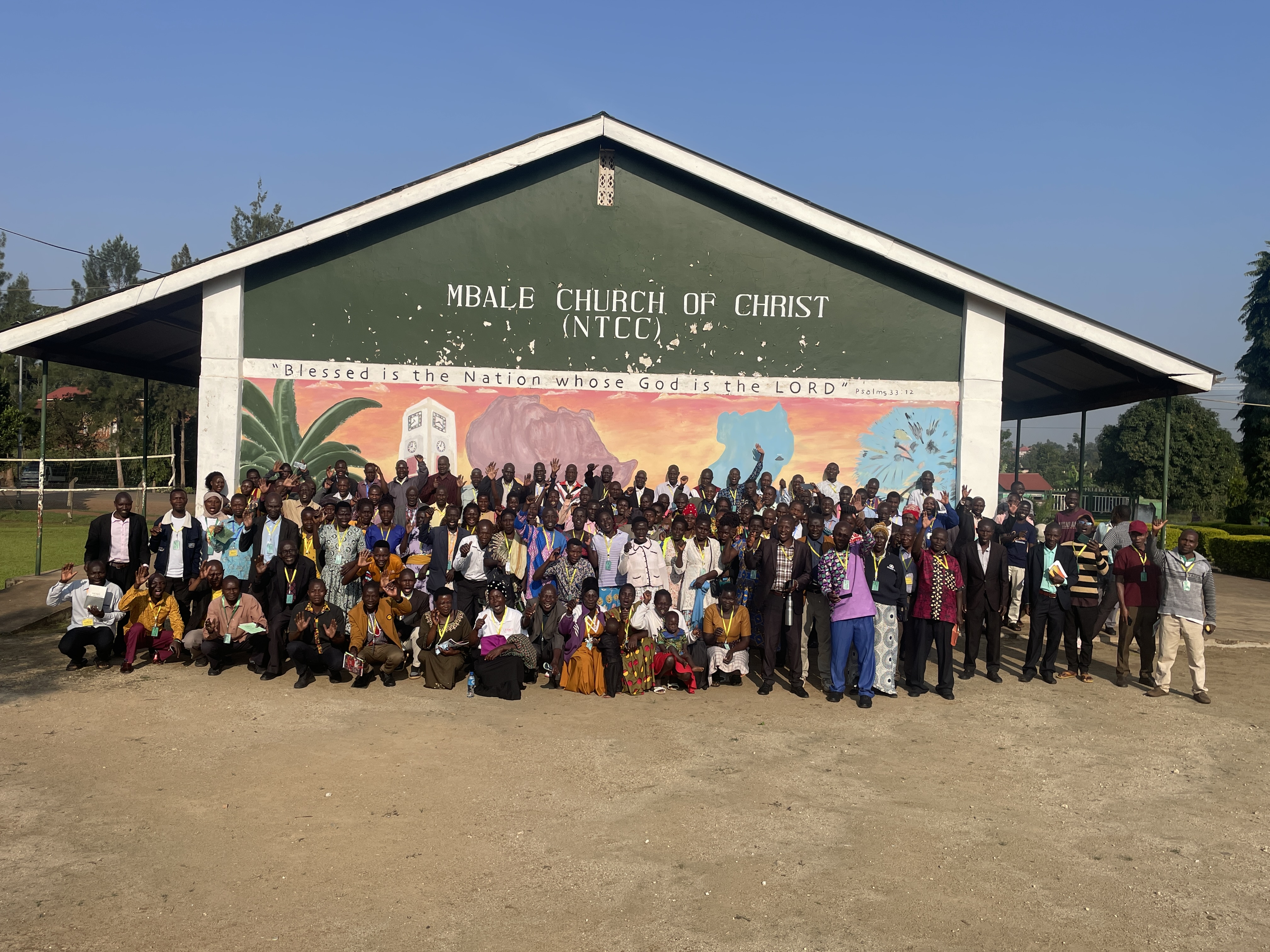
That was the theme at the Leaders’ Conference 2025. We gathered with 150 church leaders from 68 churches from across Eastern Uganda to focus on what God has in store and in mind for us as leaders. And we chose to focus on Ephesians 4…and boy, did it hit home!

Ephesians 4 is such a powerful chapter where Paul is talking with this group of leaders and a church that he has a close, personal relationship (as we see in Acts 20). These are people whom he has poured out his heart, mind, and life. He begins the book of Ephesians giving God glory and thanks for all the growth and faith of the Ephesian church: “For this reason, ever since I heard about your faith in the Lord Jesus and your love for all God’s people, I have not stopped giving thanks for you, remembering you in my prayers.” (Ephesians 1:15-16) Paul is encouraged by their faith, but he still wants to urge them – to push them – into something deeper and more mature. He begins from chapter 1 praying that they “may know him better” (1:17) and that God will strengthen them to “have power to grasp” the immeasurable love of God (3:18) in order that they “may be filled to the measure of all the fullness of God” (3:19). Paul is praying some POWERFUL prayers for his friends in Ephesus.

Continue reading

Highs & Lows of Mission Work

I remember when I used to play high school football in Texas. Every Saturday I was a different person because every Friday held its own highs and lows. Many times, my family didn’t want to spend time with me the Saturday after a Friday night loss because I was a different person. It’s silly now, but they were right: my identity was wrapped up in what happened in the Friday night lights, so the high or low greatly impacted my Saturday (and often Sundays).

Continue reading

Focused in 2025

This year is flying by already…but not without some big plans and some big goals for the Mission here in Mbale. In December, we reflected on what God had been doing through and in the Mbale Mission in 2024 (Read HERE if you missed it). We are excited about what is ahead in our 10th year working with church leaders in Uganda. Instead of breaking down the nitty-gritty, I want to share with you the BIG things that are going on here:

Continue reading