
Recently, at our National Conference of church leaders from across Uganda, we asked an important question for leaders: “If Jesus is THE Good Shepherd, what does it look like for His people to shepherd others the way He does?” As we try to emulate our Savior, what are the implications for how we lead? If we are to truly be disciplemakers in the Way of Jesus, then this pursuit is essential.
Looking in-depth at John 10:1-18 we can glean much guidance when Jesus calls himself the Good Shepherd. What qualities and defining characteristics does He point out that we can be sure that we also follow Him in?

1. Jesus was a relational shepherd – He knows His sheep and they know Him (10:14-16). They know His voice (10:3-4) and listen to Him and follow Him (10:27-28). We, Jesus’ flock, are fully known by Him (1 Corinthians 13:12) and if we are to be shepherds like Him then we must have genuine relationships with the people we are shepherd: To know them and be known by them. Jesus calls His disciples “friends” (John 15:15) and we must make the same effort and commitment to form deep relationships with people. While this may seem obvious, in too many cases we see leaders who are aloof or distant from those they are leading, creating a different kind of relationship than a shepherd. As Lynn Anderson wrote, Christ-like shepherds “smell like sheep.” This means entering the world through genuine relationships.
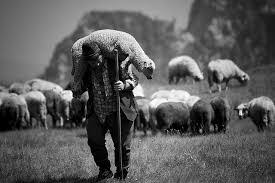
2. Jesus led by setting the ultimate example of how to live, love, treat one another, follow/know God, and serve one another. Shepherds like Jesus don’t lead from behind with a stick for discipline, but instead lead from the front, living as examples for the people they lead (Psalm 23). He calls us to be this kind of shepherds (10:4), not because we must but because we are willing and eager to do so (1 Peter 5:2). He calls us to be examples – to live exemplary lives – before the people (1 Peter 5:3) and show them the way to follow, love, and serve Jesus (1 Corinthians 11:1). We are to be examples for God’s people to follow, living lives of integrity (Psalm 78:72).

3. Jesus says that He is the gate for the sheep, which protects and guards them from threats, thieves, and killers (10:7-10). He is the protector of the sheep, and calls us to protect the sheep from threats – both from within the Church and from outside the Church (Acts 20:29-31). Jesus says that He is not the hired hand but the True Shepherd because he refuses to abandon the sheep in their time of need. Instead Jesus stays to fight for – and even sacrifice himself for – the sheep during times of danger (10:12-13). And if we are to become Christ-like shepherds, we must also be willing to stand between danger and the flock we have been entrusted to lead, whether that means to fight for or to sacrifice ourselves for. Just as David protected the sheep of his father (1 Samuel 17:31-34), we are called to protect the sheep of our Father. Being a Christ-like shepherd means standing on truth and standing up for the sheep.

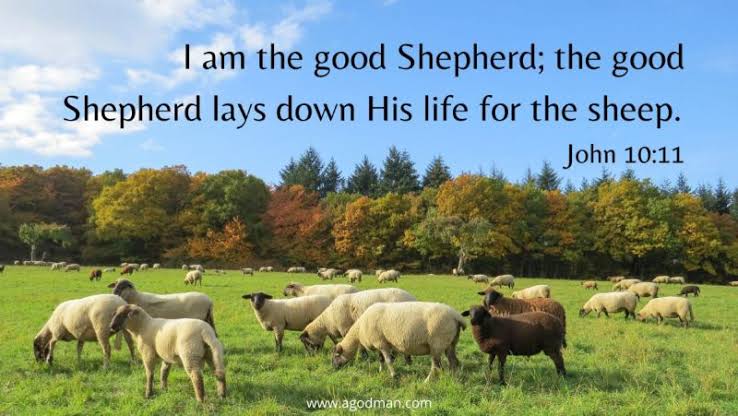
4. Jesus demonstrates the ultimate role of shepherd – to serve the needs of the sheep He leads. He says that He did not come to be served, but to serve (John 13) and He lays down His life for the sheep (10:11-13). His sacrifice (10:17-18) is because the Father commanded Him to lay down His life. His example of humility and self-sacrifice is seen throughout His life on Earth (Philippians 2:1-11) and is the example we are commanded to follow. Too many people strive to be leaders like the world and hide behind “the Holy Spirit’s voice” to do whatever they wish. These leaders ignore the words of Peter and Paul (and Jesus). Peter says that Godly shepherds should not be selfish and greedy for money, but instead eager to serve God’s people (1 Peter 5:2) and Paul describes the example He gave to the Ephesian elders for us to follow (Acts 20:33-35). As servants, we are also called to be repentant and humble with those that we lead, as seen in the life of David (2 Samuel 12, Psalms 32 and 51). Leadership that refuses to be servants is NOT Christ-like leadership.

5. Jesus is the ONE True Shepherd and the sheep belong to Him (10:25-28). We do not own the churches or members that we lead – they are not “our churches” or “our members” (or “our missions/ministries” for that matter). The sheep, flock, and Church belong to Jesus Christ (1 Peter 5:2). Even Jesus submits to the Father and acknowledges that all those who follow Him are given to Him by the Father (John 6:7). He has called us to be stewards of the flock that He purchased (Acts 20:28) but they are not our flock. Jesus says that He is calling people from all over, “sheep from other pens,” and they will be His sheep (10:16). We are not to decide who…We simply serve the Lord, to His purposes and His glory. When we serve the sheep that He has entrusted us with in the ways that He has called us to shepherd, then He promises us that we will receive ample reward (1 Peter 5:4).
Jesus is THE Good Shepherd. He does not lead like the world leads. His leadership as our Shepherd should impact, shape, and form how we seek to lead those we shepherd. We are called to be imitators of God (Ephesians 5:1-2) and we are called to be shepherds of God’s flock the way that Jesus was a shepherd (1 Peter 5:1-2). We must first keep watch over ourselves with careful introspection, then the flock that God has entrusted to us (Acts 20:28). While Christ-like leadership may be seen as weakness to the world’s eyes, we know that it is the only way to lead in God’s Kingdom (Matthew 20:25-28).
How are you shepherding like The Good Shepherd? How are you making disciples who do the same?
 Sawyers In Uganda
Pingback: Looking Back at What God Has Done in 2024 | Sawyers In Uganda
Pingback: Relationship, NOT a Class | Sawyers In Uganda