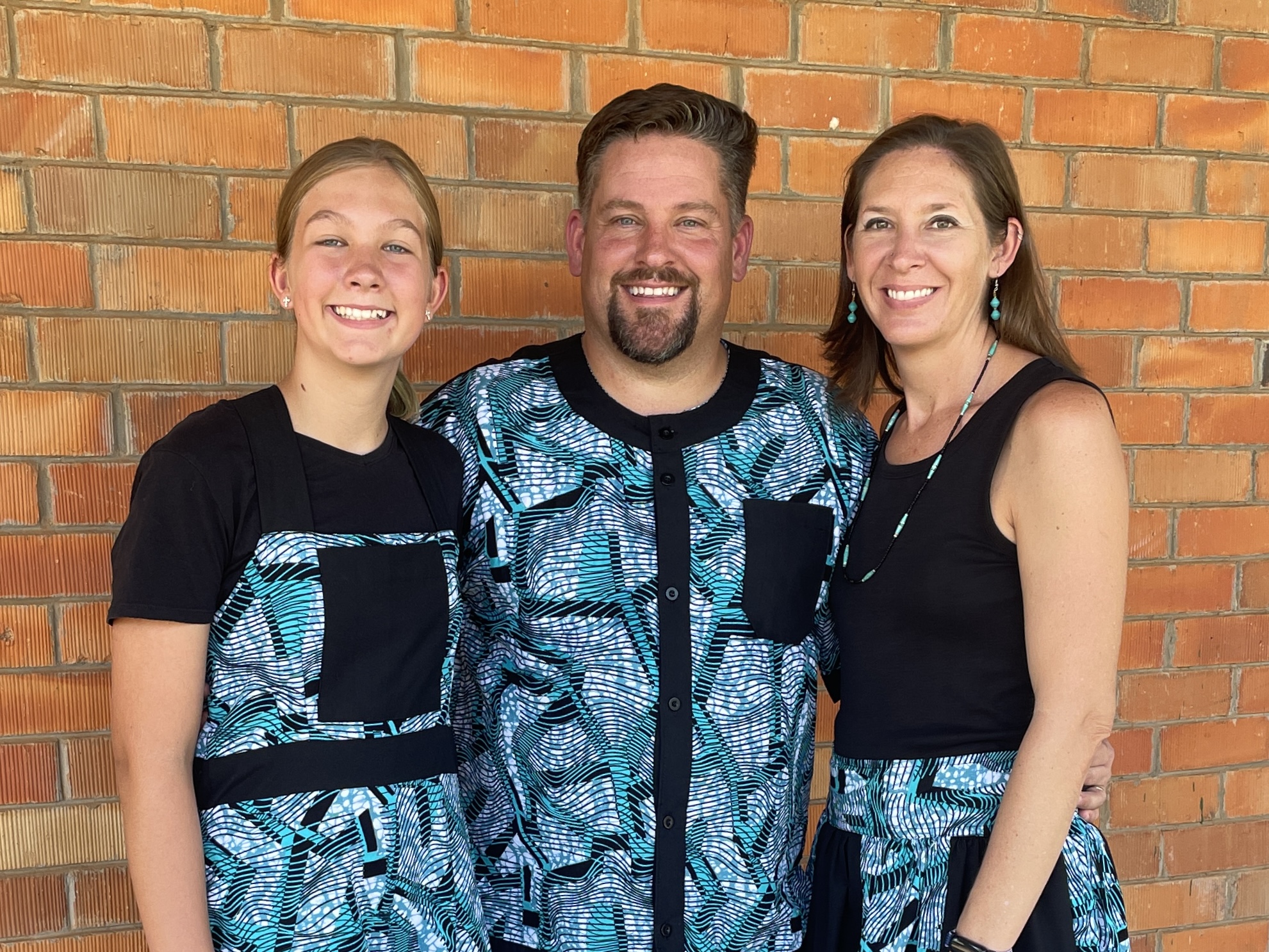
Our family has lived in Uganda for almost 9 years, and we are still learning things about the culture, language, people, and different perspectives. In the past, we have shared funny and not so funny mistakes we’ve made in language and culture. It has been a fun journey (most of the time) and we love learning new things as we continue to dive deeper in relationships with people.

With our return after a 2-month visit to the U.S., we have learned even more lessons these past few weeks. I was sitting in the car with a couple of the mission staff, Grace and Peter, while we waited on Leland to visit a church we all couldn’t get to. (That’s a story for another time.) As we were talking, I asked what card game the kids next to us were playing, and Peter said “matatu”. In my understanding, I always used the word matatu to mean “taxi”. As we were talking, Grace and Peter both said that in Uganda, they do not call taxis “matatu”, but that’s the name of the card game. I was surprised and asked them why they never told us, and they said “matatu” is a Swahili word for taxi, so they assumed that’s what we were referring to whenever we would use the word “matatu.” But Ugandans simply call them taxis. After all these years, we just learned that we have been calling the taxis by the wrong name. [FACE PALM]
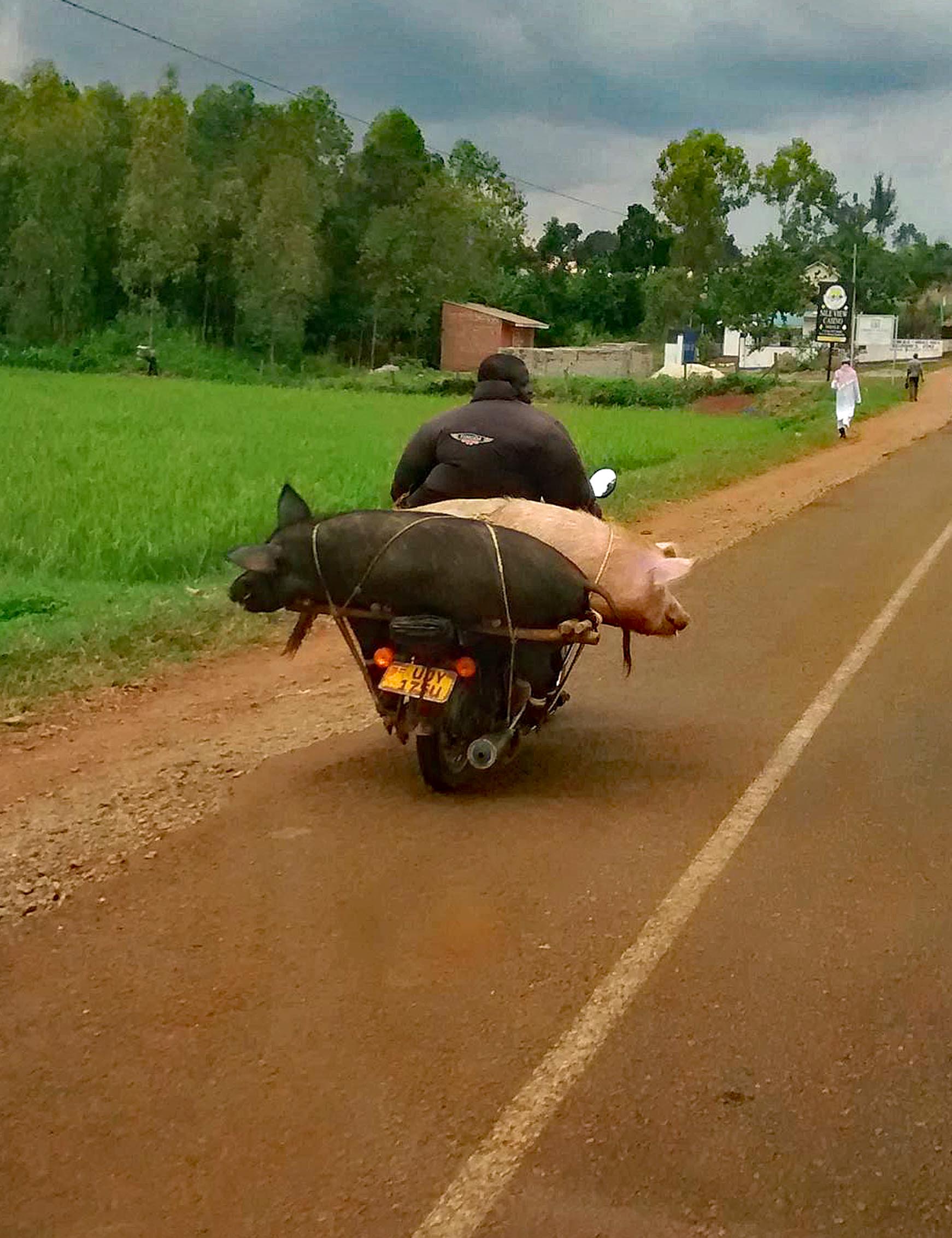
Soon after that conversation, I was communicating with a boda driver (motorcycle delivery) to bring me some pieces of boneless pork to make meat skewers for supper that evening. My conversation with him was hilarious. I said “Will you please bring me 1 kilo of boneless pork bites”? He asked, “Like beef”? I said “No, I want pork in small pieces and boneless.” He said “But like beef, with no bones.” After a few seconds of trying to understand what he meant, I finally said “Yes, like beef with no bones, small pieces and good pieces of meat, not with fat or tendons. But from a pig.” He brought me exactly what I was looking for. He was communicating about the cut of meat while I was confused by what kind of meat he was wanting to bring me. After telling Leland about my interaction with the boda driver, he then asked Peter in the mission office several questions to try to understand the “like beef” concept. They had a good laugh understanding the difference in communication, and how we got the exact meat we wanted even though it took an interesting conversation to get there. “Like beef, but pig.”
We continue to find ourselves having these conversations, and while sometimes we are humbled and feel ridiculous for saying the wrong word or phrase for the last 9 years, we have thoroughly enjoyed getting to learn new things all the time. These are just 2 examples I can think of that have happened since we’ve returned from the U.S., but I’m sure there are plenty more to come.
I hope we always have the attitude of a learner in our lives!
 Sawyers In Uganda
Pingback: Life Keeps You Humble | Sawyers In Uganda